Wellness Wheel: Intellectual Wellness
Feeding the Curious Mind
SELF CAREWELLNESS WHEEL
5/26/2026
Wellness Wheel: Intellectual Wellness
Feeding the Curious Mind
Dr. Peggy Swarbrick’s Eight Dimensions of Wellness paradigm addresses whole-being wellness and each week we will choose one dimension to explore. This week we focus on Intellectual Wellness.
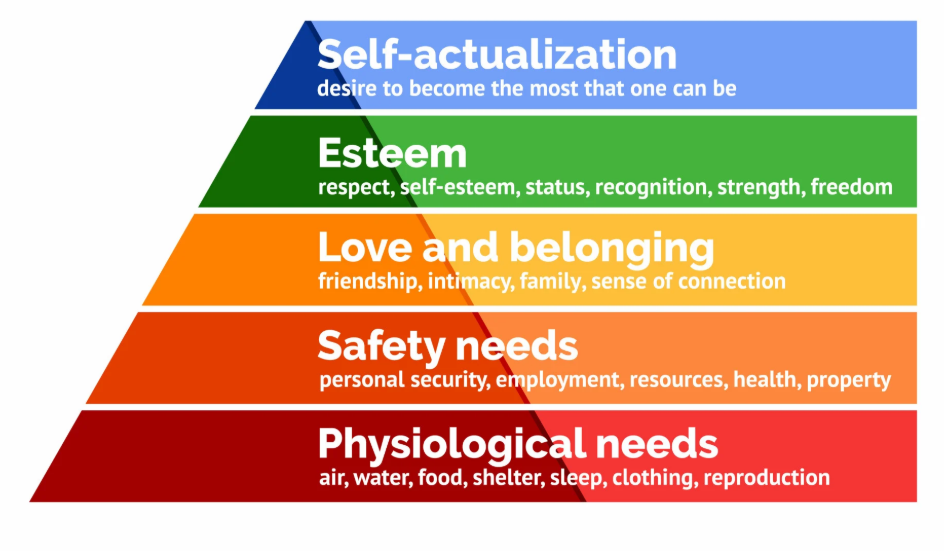
In Maslow’s Hierarchy of Needs pyramid, Intellectual wellness would be considered a higher-up growth tier. If your basic lower tier needs (essential physiological and safety needs of food, water, shelter, security) have not been met, it is harder to focus on fulfilling the more elevated needs of self-esteem and self-actualisation. Some people may score poorly on this dimension because their energy is focussed on securing the base of the pyramid.
Intellectual wellness involves fostering creativity, lifelong learning, critical thinking, and curiosity. It promotes engaging in mentally stimulating activities—such as reading, puzzles, and skill-building—to remain adaptable and open to new perspectives. Developing this area increases personal growth and enhances mental sharpness.
Staying intellectually engaged, learning new skills, challenging your views, and accepting new ideas, keeps your brain adaptable and vibrant. Lifelong learning is a type of cognitive enrichment that can help prevent age-related deterioration. A study discovered that cognitive training increased processing speed and memory for more than a decade.
Intellectual wellness is interconnected with other areas, such as emotional wellness (stress reduction through stimulation) and occupational wellness (satisfaction through skill utilization). It enables individuals to adapt to change and stay motivated by constantly expanding their knowledge base
Putting yourself in a situations that take you out of your comfort zone and routine safely, trying something new and different; allows you to challenging long held perspectives, and open your mind to the changing world. Having open and non-judgemental discussions, using your sense of curiosity to drive your interaction will allow the other person to freely share their views, thoughts and understanding of situations in a way that you may not have thought of before.
Notice and challenge the thought that the world will think less of you if you do not know everything - allow yourself to ask questions, admit confusion, incomprehension, or even ignorance of the subject at hand.
Enhance Intellectual Wellness with:
Lifelong Learning: Pursuing new skills, taking classes, or exploring new topics.
Creativity and Skill Development: Exploring creative outlets like writing, painting, music, or cooking. Learning a musical instrument, a new language, or a new hobby.
Critical Thinking: Challenging yourself to solve problems in new, innovative ways.
Curiosity and Active Engagement: Staying curious, reading, journaling, and engaging in stimulating discussions. Engaging in hobbies that allow for creative expression, such as knitting or gardening.
Brain Work: Reading books, doing puzzles (crosswords, Sudoku), and playing strategy games.
Cultural Engagement: Visiting museums, attending lectures, or exploring a new area of town.
Digital Technology: Download free and fee-incurring brain training apps like Lumosity, Elevate, Peak, and NeuroNation, that have been created with scientific backing to promote brain wellness.
Diet significantly influences neuroplasticity—the brain’s ability to reorganize and form new neural connections—by modulating neurotrophic factors. A diet high in Omega-3 fatty acids (fish, nuts), antioxidants (berries), and low in processed sugars/saturated fats promotes cognitive flexibility, while poor nutrition impairs memory and hippocampal neurogenesis.
Dietary Factors That Hinder Neuroplasticity:
High-Fat/Refined Sugar Diets: These can lower levels of BDNF, which is essential for neurogenesis and long-term memory.
Processed Foods: High intake of junk food contributes to inflammation and suppresses neuroplasticity.
Lifestyle Considerations:
Combining Diet with Exercise: Combining a healthy diet with physical activity provides maximum synergistic benefits for neuroplasticity.
Long-Term Habit: Sustained nutritional habits are crucial, as short-term improvements cannot reverse long-term damage
Key Nutritional Factors Supporting Neuroplasticity:
Omega-3 Fatty Acids: Found in fish and nuts, these are essential for maintaining neuronal structural integrity and synaptic plasticity.
Polyphenols & Antioxidants: Compounds like resveratrol and catechin (in tea, cocoa, berries) act as anti-inflammatory agents and enhance neuronal signaling.
Diets & Intermittent Fasting: Nutrient-dense diets like the Mediterranean diet support brain health, while intermittent fasting can increase BDNF (Brain-Derived Neurotrophic Factor).
Healthy Fats & Whole Grains: These improve synaptic plasticity and provide the essential energy required for cognitive processes.
To learn more about the Wellness Wheel and its practical applications, SAMHSA produces a Step-By-Step Guide to Wellness called Creating a Healthier Life. This guide has helpful resources to help you break down the dimensions of wellness and apply them to your lifestyle. You can use this workbook to more deeply understand the dimensions, to set goals, and develop an action plan for creating lifestyle habits that will strengthen your eight Dimensions of Wellness.
Ready to create Emotional Regulation?
Explore our structured programs designed to help you
regulate your nervous system and support your gut.
The Nervous System Reset
Deep Self Care and Balance
Burnout Recovery
The Gut-Brain Axis
Parent Calm
Addressing Teen Anxiety
Claim your FREE Nervous System Regulation PDF explaining how your nervous system functions including regulation strategies.
Connect
with us
© gutsofthematter 2025. All rights reserved.
Mindfulness education is not medical or psychological treatment.
Seek professional advice for mental health concerns. © gutsofthematter, Victoria, Australia.