Resources
Grounding techniques
Grounding techniques are mental, physical, and soothing exercises that shift your focus away from distress and anchor you in the present moment. They are highly effective for managing anxiety, panic, and trauma triggers.
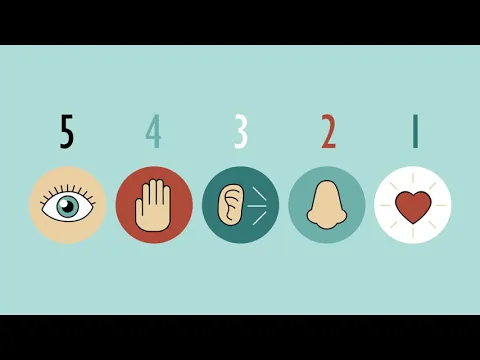
1. The 5-4-3-2-1 Sensory Method
Engage your five senses to ground your mind in your immediate physical environment. As you do this, speak your observations aloud to help your brain focus on the present:
5 things you can see (e.g., a pen, a cloud, a plant).
4 things you can touch (e.g., your shirt fabric, the texture of a desk).
3 things you can hear (e.g., traffic, birds, an air conditioner).
2 things you can smell (e.g., coffee, perfume, rain).
1 thing you can taste (e.g., toothpaste, a mint).
2. Physical & Body Awareness
Reconnect with your body by directing physical sensations to the here and now.
TIPP Method: Apply a cold compress or splash ice-cold water on your face and wrists. This activates the mammalian dive reflex, which rapidly slows your heart rate.
Foot Stomping: Press both feet flat on the floor. Stomp or push them forcefully into the ground to anchor yourself.
The 60-Second Shake: Discharge built-up adrenaline by doing a brief burst of intense movement, like jogging in place or jumping jacks.
3. Breathing Exercises
Control your body's stress response by slowing your heart rate with targeted breathing.
Box Breathing: Slowly inhale for 4 seconds, hold for 4 seconds, exhale for 4 seconds, and hold empty for 4 seconds. Repeat for 1–2 minutes.
Paced Exhales: Focus on making your exhale longer than your inhale (e.g., breathe in for 4, out for 6–8). This stimulates the vagus nerve and activates your parasympathetic (calm) nervous system.
4. Cognitive Distraction
Give your brain a mental puzzle to break the loop of racing or negative thoughts.
Category Game: Choose a category (e.g., movies, cities, or fruits) and name as many items as you can for 2–3 minutes. You can also try naming them in alphabetical order.
Spelling Backwards: Pick a 6-to-9 letter word (like "THERAPY" or "COMPUTER") and spell it backwards

Breathing
Breathing techniques are powerful tools that help regulate your nervous system, lower your heart rate, and reduce stress. Popular, science-backed methods like box breathing, 4-7-8, and diaphragmatic breathing can be done anywhere to quickly center your focus and calm anxiety.
1. Lengthened Exhale
Making your exhale longer than your inhale instantly signals your brain to lower your heart rate.
Inhale through your nose to a count of 3.
Exhale through your mouth to a count of 6.
Continue this ratio until your breathing pace normalizes.
2. Diaphragmatic or "Belly" Breathing
This technique retrains your body to use your diaphragm instead of shallow chest breathing, which maximizes oxygen intake.
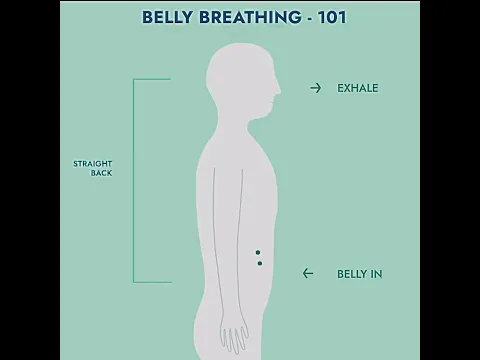
Sit or lie comfortably and place one hand on your chest and the other on your stomach.
Inhale slowly through your nose, letting your belly push your hand out (the hand on your chest should remain still).
Exhale slowly through pursed lips, tightening your stomach muscles to push the air out.
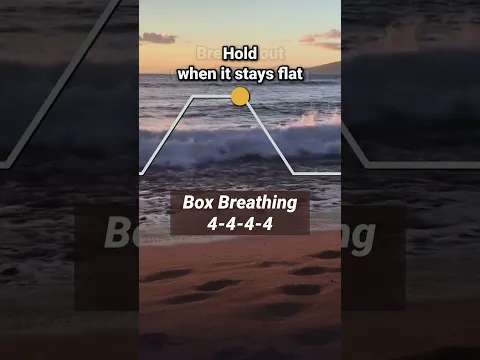
3. Box Breathing (For Focus & Stress)
Also known as square breathing, this technique calms the nervous system by utilizing four equal parts.
Inhale slowly through your nose for a count of 4.
Hold your breath for a count of 4.
Exhale steadily through your mouth for 4.
Hold with empty lungs for 4. Repeat for 4 rounds.
4. 4-7-8 Breathing (For Sleep & Deep Relaxation)
This rhythmic pattern acts as a "natural tranquilizer" to help quiet a racing mind.
Inhale through your nose for 4 seconds.
Hold your breath for 7 seconds.
Exhale completely through your mouth with a "whoosh" sound for 8 seconds.
Repeat the cycle 3 to 4 times.
Tips
Start small: Dedicate 2 to 5 minutes daily in a quiet space.
Posture: Sit with grounded feet or lay flat on your back with a relaxed neck and shoulders.
(Note: If you experience dizziness or have pre-existing cardiovascular or respiratory conditions, consult a healthcare professional before making significant changes to your breathing.)


Body scan
The body scan is a mindfulness meditation technique that involves bringing gentle, non-judgmental awareness to different parts of your body, usually from head to toe. By systematically focusing on physical sensations, you can release hidden tension, reduce stress, and ground yourself in the present moment.
1. Find a Comfortable Position
Lie down on your back or sit upright in a chair with your feet flat on the floor. Allow your hands to rest gently and close your eyes.
2. Ground Yourself in the Breath
Take a few deep, slow breaths. Let your stomach expand as you inhale and relax completely as you exhale. Shift your focus from the outside world to the inside of your body.
3. Scan Systematically
Bring focused attention to one specific area of your body at a time. You can either start at the top of your head and work down to your toes, or vice versa.
The Head: Top of the head, forehead, eyes, cheeks, and jaw. Notice any clenching.
The Torso: Throat, shoulders, chest, and stomach. Soften the muscles as you exhale.
The Limbs: Arms, wrists, hands, and fingertips.
The Lower Body: Hips, thighs, calves, ankles, and feet. Notice where the feet connect with the floor.
4. Observe Without Judgment
As you focus on each body part, simply notice its sensations—you might feel warmth, tension, lightness, or heaviness. If your mind wanders or you feel discomfort, acknowledge it without criticism and gently return your focus to the body part you were on.
5. Observe the Body as a Whole
Once you have scanned your entire body, take a moment to feel the sensation of your body as one unified whole. Take a deep, final breath and slowly open your eyes.


Body relaxation
Relaxing your body is a skill that shifts your nervous system out of "fight or flight" mode. The most effective ways include controlled breathing, Progressive Muscle Relaxation (PMR), and localized self-care routines like heat therapy or gentle stretching.
1. Controlled Diaphragmatic Breathing
Breathing slowly signals your brain to lower your heart rate and physically calm down.
Find a comfortable, quiet seated or lying position.
Place one hand on your chest and the other on your belly.
Inhale slowly through your nose for 4 seconds; let your belly push your hand out.
Exhale slowly through your mouth for 4–6 seconds; feel your belly deflate while your chest stays relatively still.
2. Progressive Muscle Relaxation (PMR)
This technique actively releases physical tension by intentionally tensing and then fully relaxing various muscle groups.
Start at your toes and work your way up to your face and neck.
Tense a muscle group tightly (but without causing pain) for 5 seconds.
Suddenly release the tension and focus entirely on how the muscle feels as it goes limp.
3. Gentle Physical Movement
Static, gentle movements help release physical tension and connect the mind and body:
Child's Pose: Kneel on the floor, sit back on your heels, and reach your arms forward to stretch your back, shoulders, and hips.
Yoga or Tai Chi: These practices combine deep breathing with gentle, continuous movements.


Somatic Practice
Somatic techniques are body-centered practices that harness the mind-body connection to release physical tension, regulate the nervous system, and process emotions. By bringing conscious awareness to physical sensations, these methods help discharge pent-up stress and trauma that words alone may not resolve.
Common techniques
Body Scanning: Starting from your toes and working up to your head, slowly direct your attention to different parts of the body to notice areas of tension or ease.
Grounding: Sit or stand with your feet flat on the floor, focusing heavily on the physical sensation of gravity to anchor yourself in the present moment.
Shaking It Out: Gently shake your hands, arms, and torso to mimic the body's natural biological response to releasing a stress jolt.
Pendulation: Intentionally shifting your focus between a relaxed state and a mild, stress-inducing sensation or memory, then returning to the relaxed state to safely discharge pent-up energy. (We practised this in class using the RAIN method, followed by a Loving-Kindness Meditation.)
Vagus Nerve Stimulation: Activate your parasympathetic nervous system (the "rest and digest" mode) through deep breathing, humming, or lightly splashing cold water on your face.


Connect
with us
© gutsofthematter 2025. All rights reserved.
Mindfulness education is not medical or psychological treatment.
Seek professional advice for mental health concerns. © gutsofthematter, Victoria, Australia.